Eco-Friendly Landscaping: Sustainable Practices for a Greener Lawn May 30, 2026
Creating a sustainable landscape starts with selecting the right plants for your lawn and garden. Native plants not only thrive in the local climate with minimal maintenance, but they also provide habitats for local wildlife, such as birds and pollinators. By incorporating native species, you reduce the need for fertilizers, pesticides, and excessive watering, fostering a self-sustaining ecosystem.
One effective eco-friendly landscaping practice is the use of organic fertilizers and compost. Organic fertilizers release nutrients slowly, providing a steady supply of nourishment to your plants while enriching the soil structure. Composting kitchen and garden waste is another excellent way to create sustainable soil amendments, reducing landfill waste and improving soil health.
Water conservation is paramount in sustainable landscaping. Implementing drip irrigation systems can significantly reduce water usage by directing water precisely where it is needed. Additionally, installing rain barrels allows you to collect and store rainwater for future use in watering your garden, further minimizing water waste and dependency on municipal supplies.
Choosing the right ground cover is crucial for a greener lawn. Consider replacing traditional grass with drought-tolerant varieties or ground covers like clover or moss that require less water and maintenance. Perennial ground covers stabilize the soil, prevent erosion, and reduce lawn areas that need mowing, leading to lower carbon emissions from lawn equipment.
Mulching is a simple yet effective practice that promotes sustainability. Applying a layer of organic mulch, such as bark or wood chips, around plants helps retain soil moisture, suppress weeds, and add nutrients back into the soil as it breaks down. This natural solution not only enhances the visual appeal of your landscape but also supports healthy plant growth.
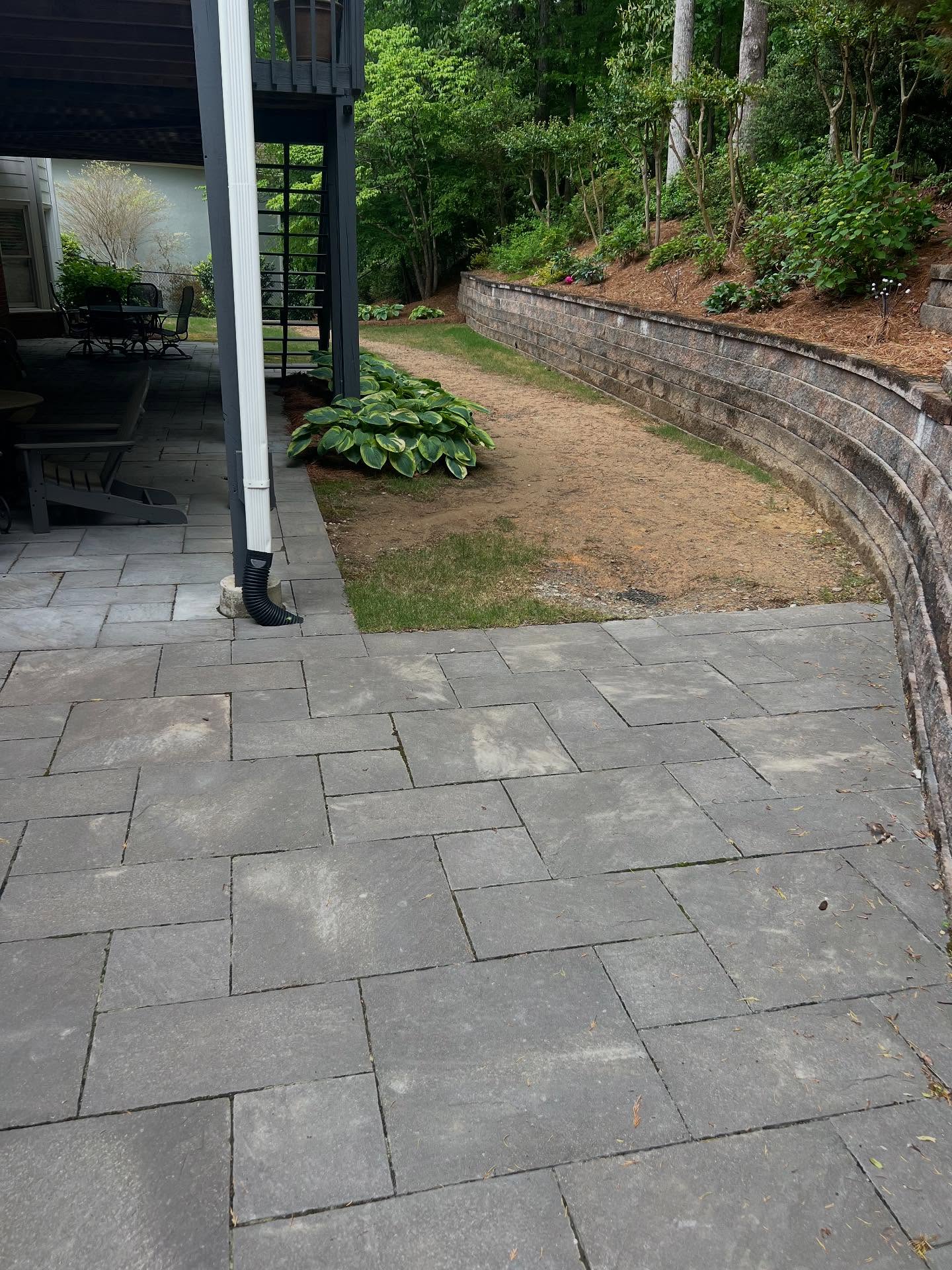
Incorporating hardscaping elements into your eco-friendly landscape can also play a significant role in sustainability. Permeable paving stones, for example, allow rainwater to be absorbed into the ground, reducing runoff and erosion. These elements can create pathways or decorative features that complement the natural environment, making your outdoor space more functional and aesthetically pleasing.
Furthermore, adopting integrated pest management (IPM) strategies minimizes reliance on chemical pesticides, promoting a safer environment for both humans and wildlife. IPM focuses on preventing pest problems by fostering healthy plants and using natural predators or barriers to manage pests.
In conclusion, eco-friendly landscaping is not only beneficial for the environment but also enhances the beauty and sustainability of your lawn. By choosing native plants, utilizing organic materials, conserving water, and introducing sustainable hardscaping elements, you can lead the way to a greener future. At Amerigreen Lawn & Landscape, we are committed to helping you achieve a sustainable lawn that you can enjoy for years to come. By adopting these practices, you contribute to a healthier ecosystem and set a positive example for others to follow. Sustainable landscaping is the future of gardening, where beauty and environmental responsibility coexist seamlessly.
/filters:no_upscale()/filters:format(webp)/media/58e522cd-7cdd-4c52-959d-23ba85a2b1bc.jpeg)
/filters:no_upscale()/filters:format(webp)/media/429cd62e-77d9-425c-9a7c-aa86dc801ba8.jpeg)