Creating a Sustainable Garden: Tips from Amerigreen Experts May 13, 2026
To begin with, the selection of native plants is crucial in creating a sustainable garden. Native plants are adapted to the local climate and soil conditions, making them less reliant on water and fertilizers. They also provide habitats and food sources for local wildlife, promoting biodiversity in your garden. At Amerigreen, our landscaping experts can help you select plants that not only thrive in your area but also complement the aesthetic you wish to achieve.
Water conservation is another key component of sustainable gardening. Implementing efficient watering techniques ensures that your garden remains lush without wasting resources. Drip irrigation systems are a great way to provide moisture directly to the plant roots, minimizing evaporation and runoff. Additionally, rainwater harvesting can serve as a renewable source of water for your garden. By installing rain barrels, you can collect and store rainfall to use during dry periods, significantly reducing your reliance on municipal water.
One often overlooked aspect of sustainable gardening is soil health. Healthy soil is the foundation of a thriving garden. Amerigreen experts recommend amending your soil with organic matter, such as compost, which enriches the soil with essential nutrients and improves its texture. This not only supports plant growth but also helps the soil maintain moisture. Composting not only nourishes your plants but also reduces waste by recycling kitchen and garden scraps back into the ecosystem.
Integrating companion planting into your garden design is another effective strategy. Certain plant combinations can enhance growth, deter pests, and attract beneficial insects. For instance, planting marigolds alongside vegetables can naturally repel pests due to the marigold’s distinctive scent. Similarly, including flowering plants such as lavender or sweet alyssum can attract pollinators like bees and butterflies, which are crucial for a vibrant, healthy garden.
Pest management in sustainable gardening focuses on prevention and natural solutions. Encourage a healthy ecosystem by providing habitats for beneficial insects that can keep pest populations in check. Use natural deterrents and barriers such as neem oil or insecticidal soap to manage any pest issues without resorting to harsh chemicals. By fostering a balanced garden environment, you reduce the need for synthetic pesticides and fertilizers, which can harm the ecosystem.
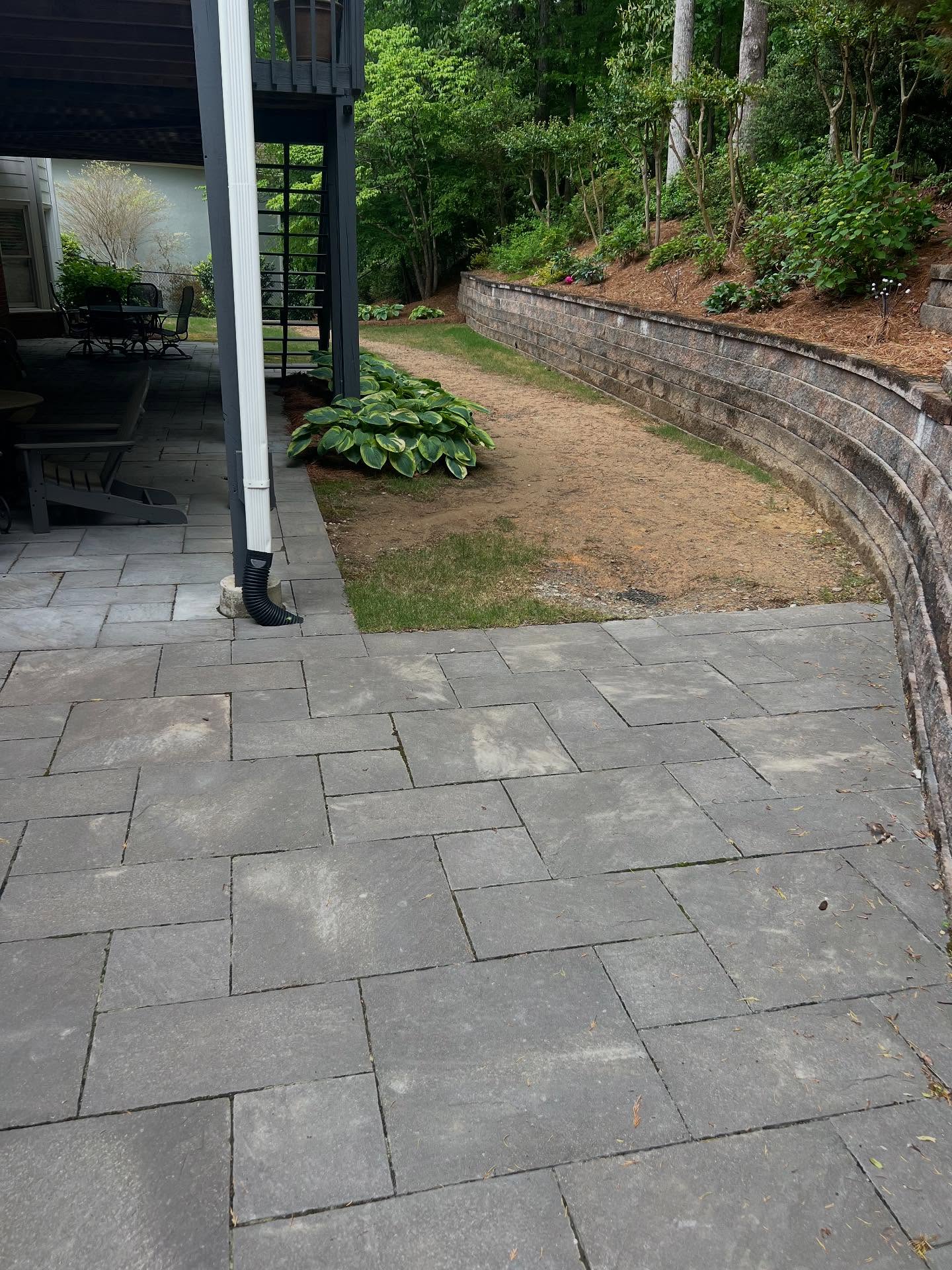
Finally, consider using sustainable materials for your hardscaping needs. When planning paths, patios, or other structures, opt for sustainably sourced materials that blend with the natural surroundings. Recycled stone, reclaimed wood, or permeable pavers can enhance your garden’s functionality and beauty while supporting eco-friendly practices.
Creating a sustainable garden involves thoughtful planning and a willingness to embrace natural processes. With guidance from Amerigreen Lawn & Landscape, you can design an outdoor space that not only meets your aesthetic desires but also contributes positively to the environment. Our team of experts is here to support you in achieving a garden that is as sustainable as it is stunning. By implementing these strategies, you are not just enhancing your property, but you're also playing a part in protecting our planet for future generations.
/filters:no_upscale()/filters:format(webp)/media/58e522cd-7cdd-4c52-959d-23ba85a2b1bc.jpeg)
/filters:no_upscale()/filters:format(webp)/media/429cd62e-77d9-425c-9a7c-aa86dc801ba8.jpeg)